


Our party is dedicated to resolving the cost-of-living crisis, where inflated prices and insecure or short supply are affecting our ability to afford life’s necessities. However, there is a part of life being negatively impacted by inflation that goes undiscussed: death.
Death is never an easy subject to talk about, nor is it one that many of us want us to seriously contemplate. We will have experienced bereavement at some point in our lives, with many of us having organised the final farewells of family members and loved ones. However, ignoring such issues ignores the problems that inflation is causing during such fraught times.
Between 2004 and 2025, inflation rose by 75% overall, but the cost of funerals increased by 134%. Today, the cost of dying averages £9,797 – covering funerals and associated professional fees and send-off costs – while simple funerals cost £4,285 and direct cremations cost £1,597. These cost the same regardless of household income, meaning that those at the lower end of the scale must spend a greater proportion of annual income than those at the higher end.
Such financial difficulties are compounding the emotional toll of bereavement. While support can be provided in the form of the Funeral Expenses Payment, this only amounts to a maximum of £1,000, with all excess costs being paid out of pocket. Under such conditions, purchasers do not exercise the same consideration for funerals as they would with any other service, often relying on the first funeral provider they encounter, guided by expectations of what funerals should entail and consensus among family members rather than intended wishes or preferences.
Such considerations have led to significant changes in British funereal practices. With cost being a major factor, cremations constitute nearly 80% of final dispositions in the UK annually and public health funerals – services provided by local authorities – have increased. However, these changes entail problems of their own. Depending on where you live, local authorities can deny attendance by family members and loved ones, the inclusion of burial markers or the return of ashes at their discretion when providing public health funerals because of costs which they must bear.
Communities such as Jews and Muslims face disproportionate funeral costs because of their faiths. As Judaism and Islam prescribe burial and prohibit cremation, adherents must pay the higher costs incurred by the former practice.
As part of our support for provision ‘from the cradle to the grave’ and tackling inflation-related social crises, we need to consider policy to address this overlooked ‘cost-of-dying’ crisis. There are many straightforward proposals that we can make, including:
- Increasing the Funeral Expenses Payment to £4,000 to meet the cost of both direct cremations and simple funerals.
- Requiring local authorities to permit attendance, include markers and return ashes as part of public health funerals.
- Removing all restrictions preventing under-50s from applying for funeral plans.
- Providing greater access to both funeral purchasing advice and bereavement counselling.
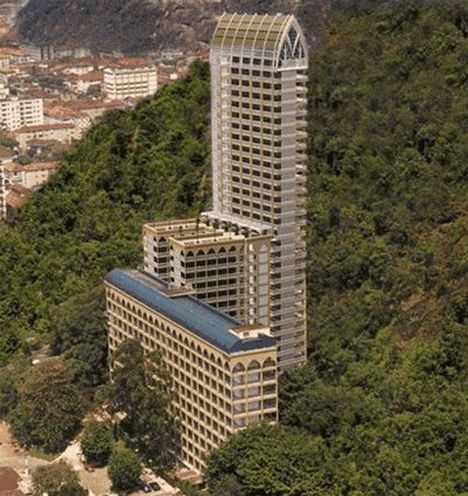
Brazil’s Metropolitan Necropole Ecumenica
As we propose to increase housing stock to address the housing crisis, we need to address spiralling funeral costs in relation to decreasing availability of and competing demands for land. While the regulations for composting and water cremation are being reviewed, many will still object to these practices. One solution may be ‘vertical cemeteries’, multistorey structures that provide burial or inhumation spaces such as Brazil’s Memorial Necrópole Ecumênica – the final resting place of Pelé – and Israel’s Yarkon Cemetery.
Such proposals have been considered outlandish or morbid, such as Martin McSherry’s 2013 proposal for an open-air, expandable structure to serve Oslo or Thomas Willson’s 1820s proposal for the Metropolitan Sepulchre – a ninety-storey pyramid with an 18-acre footprint – to serve London. However, as with vital infrastructure such as reservoirs, their need may not be appreciated until we are facing the problems they would address. While London’s burial space shortage of the 1820s was resolved by outlying garden cemeteries, Greater London is predicted to run out of burial land by 2035.

Metropolitan Sepulchre
As with many modern funeral practices, changes in perspective and attitude may be required. To assuage public concerns, consultation would be key in their design and location and incentives factored into their introduction, such as affordable, one-off payments in perpetuity for spaces or the free provision of spaces to local authorities.
You may have found what has been said to be elucidating or distressing or even impolitic. While death is not an issue that people willingly discuss, especially in the context of normal political campaigning, it is having negative impacts both emotional and financial on some of the most financially insecure people in our society. As with housing, food, water and warmth, this is an issue that we need to address with urgency and compassion.
* Samuel James Jackson is the Chair of the Policy Committee of the Yorkshire and the Humber Liberal Democrats and had served as the Liberal Democratic candidate in Halifax during the 2024 general election.
 Follow @libdemvoice.org on Bluesky
 Like us on Facebook
 Subscribe to our feed
 Sign-up for our daily email digest

 The oldest pub in Swansea and the secret tunnel
 Why I'm fighting these plans
 Latest voting intention and leadership ratings opinion polls
 Reform councillor breaches rules by being leader of his own political party
 Liverpool near bottom of the league for recycling
 Alex Macfie
 Brigid Gardner
 PM
PM John Studholme
 Jeff
Jeff