Last week, Conference in Harrogate passed a wide ranging science and technology paper, Victoria Collins MP contrasted our approach with that of Labour and Conservatives.
Liberal Democrats take a different approach, one grounded in our values of internationalism, respect for individual rights, and challenging concentrations of power.
One issue the policy paper looked at was how we should deal with AI.
In accordance with those values, our new policy calls for us to develop a legally binding code of ethics and a “Lovelace Oath” which would be similar to the Hippocratic Oath taken by doctors.
Recently an author friend of mine posted on social media that the Meta AI had uploaded four of her novels to train its AI. I observed at the time that this seemed more like stealing than training. Our new policy says that we need to
Strengthen rules around copyright so that creators are treated fairly, with record keeping duties and robust, independent auditing of data and content use for AI developers.
In the run-up to the debate in Harrogate, the LDV team mused amongst ourselves about how we could best utilise AI. Running this site takes a phenomenal amount of effort and we decided to harness the potential of this new technology.
To that end, with help of the boffins at the Lib Dem Coders Group, we developed our own AI tool, Packed, which we trained by feeding it:
- our entire archive
- all the comments left on the site
- all the emails LDV has ever received and the replies from the team
- all the speeches ever made by parliamentarians
- all policy papers passed since 1988
- the constitutions of the Federal, Scottish, English and Welsh parties with all amendments since 1988
Someone observed that this was very close to the knowledge of the Party President, hence how our tool got its name.


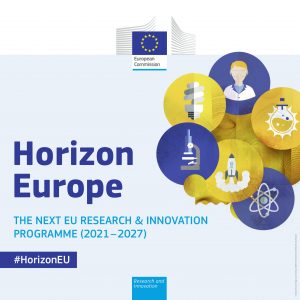 One of the more obscure (at least as far as the general public is concerned) areas of worry resulting from Brexit was British participation in Horizon 2020, the European Union’s Programme for Innovation and Research, which invested significant sums into European research and development programmes, linking researchers across the Union for that purpose. The transitional period appeared to allow British participation until its end, even if Conservative politicians seem determined to put that in doubt.
 Follow @libdemvoice.org on Bluesky
 Like us on Facebook
 Subscribe to our feed
 Sign-up for our daily email digest

 How the Zombies recorded Time of the Season
 Photos from Whickham North and Swalwell action day
 Reform's link to Iranian regime revealed
 Yes, I'm still in favour of making the House of Lords democratic
 PM
PM Chloe
Chloe David Evans
 Slamdac