Watching the unfolding political drama in Westminster over recent days, you could be forgiven for wondering if the British public have been dropped into an episode of ‘Yes, Prime Minister’ rather than living real lives under a Labour government. Instead of focusing on the pressing challenges facing everyday Britons – from the cost of living to the NHS crisis – the spotlight has been firmly fixed on internal Labour turmoil, bitter factional rows and the fate of its own leadership.
The resignation on Sunday of Sir Keir Starmer’s Chief of Staff Morgan McSweeney, amid the controversy over Peter Mandelson’s appointment as UK Ambassador to the United States, was always going to make headlines. But the speed with which that story has dominated the political coverage tells you everything you need to know about where Labour’s priorities lie. McSweeney stepped down taking “full responsibility” for advising on the appointment – a move that critics argue has damaged trust in politics itself.
And, as if one senior departure wasn’t enough, the Prime Minister’s director of communications, Tim Allan, has today also quit fewer than twenty-four hours later. In a terse statement, Allan said he was making way for a “new No.10 team.”.
But what the public see is not reinvigoration – it’s retreat, upheaval and instability at the heart of government.
All this comes at a time when families across the country are still struggling with inflationary pressures on essentials and long delays in accessing NHS care. Hard-pressed workers, young people, and pensioners do not wake up each morning thinking about Downing Street personnel changes – they worry about whether their energy bills are manageable, whether their children’s surgeries are being scheduled, or whether their parents will be left waiting hours in A&E.


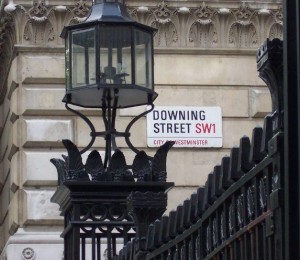 And so, another Prime Minister is gone. Admittedly, it isn’t entirely clear yet in terms of what will change apart from the personnel, even if we can be pretty confident who will be in 10 Downing Street at the end of the transition.


 Follow @libdemvoice.org on Bluesky
 Like us on Facebook
 Subscribe to our feed
 Sign-up for our daily email digest

 Senior Reform official casts doubt over legality of huge donations
 Turning Point UK chief executive suspended by Tories over contract killing claims
 Peter Davies
  Peter Wrigley
  James Hill