One of the best moments of any party conference is when we honour the people who have gone above and beyond the call of duty for the party.
Party members are invited to nominate party colleagues for the following awards for this Autumn’s conference in Bourmemouth by 11th August.
The President’s Award
Eligibility: open to any Party Member elected to public office and who has demonstrated excellence and commitment, either in that role or both in that role and other roles for the party.
Criteria: the winner will be recognised for outstanding commitment and service to the Party. Local, regional, and state parties should be seeking to nominate people who deserve recognition for their hard work, long service, and demonstrable dedication to the party, at whatever level. It is expected to be special awards to be awarded from the Party for whom public recognition is overdue.
The Harriet Smith Liberal Democrat Distinguished Service Award
Background: this award is named for Harriet Smith, who campaigned and worked tirelessly for the Party, notably alongside Paddy Ashdown, with the Federal Conference Committee, and in the Bath party. A beloved figure, she is also missed from the Conference revue and by the team at the Liberator Magazine.
Eligibility: open to any Party Member never elected to public office.
Criteria: the Harriet Smith Award shares its conditions with the President’s award.
The Belinda Eyre-Brook Award
Background: this award is named for legendary campaigner Belinda Eyre-Brook, whose achievements with the Party include being Ed Davey’s agent in 1997, overturning 15,000 Tory Majority, and establishing one of the party’s longest-serving MPs.
Eligibility: given to recognise and celebrate the efforts of people working for our elected representatives in their local areas – from local party employees to political assistants to council groups, to people working in MPs’ constituency offices.
Criteria: the winner of this award will care about their local area and be committed to the success of Liberal Democrats within it. Turning local political priorities into electoral success, and priorities for elected officials is a key part of the work of successful local Party figures – as is linking with the national party.
The Dadabhai Naoroji award
Background: this award is named for the ‘Grand Old Man of India’, Liberal MP, and joint founder of the Indian National Congress, Dadabhai Naoroji. His work highlighting the reality of British rule over India and campaign for justice is an example to us all and his place in history, as the first non-white and first Indian Parliamentarian, is assured.
Eligibility: presented annually to the local Party that has done most to promote ethnic minority participants to elected office as Councillors, Assembly Members or Members of Parliament.
Criteria: this award is designed to encourage local parties to work towards the goal of increasing their ethnic diversity to more accurately reflect the areas they represent, and to recognise those that already make a great effort to involve different communities in their work.
The Penhaligon award


 Scottish Liberal Democrats have today announced homelessness and community campaigner Paul McGarry as their candidate for the Central Scotland and Lothians West regional list at the forthcoming Scottish election.
 Sanne has lived in Edinburgh for 23 years. In her professional life, Sanne raises money for charities that provide educational opportunities, and helped to establish an ocean protection initiative. She has a strong record of community action, speaking out to secure better cycling and pedestrian infrastructure, more protection for Wardie Bay and to protect the Roseburn Path.
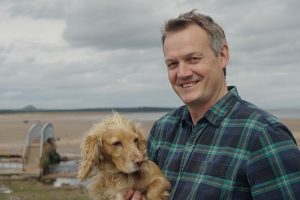 Duncan was born in Kinloch Rannoch on the edge of the Scottish Highlands. After studying at Edinburgh University, he lived in many places across the world and the UK, before returning to Scotland in 2008. He is a keen rugby enthusiast and coaches mini rugby.
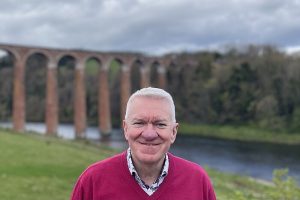 Ray Georgeson is an award-winning recycling campaigner and experienced former local councillor and council leader. He has had a successful career in the recycling and resource management industries over many decades, with roles in the public, private and voluntary sectors. He is presently a senior manager in a major Scottish environmental organisation. Ray contested Berwickshire, Roxburgh and Selkirk for the Liberal Democrats in the 2024 General Election.


 Follow @libdemvoice.org on Bluesky
 Like us on Facebook
 Subscribe to our feed
 Sign-up for our daily email digest

 So many questions over Burnham's agenda
 The disturbing folklore behind Alan Garner's stories
 The geography of Liberal Democrat potential (LDN#214)
 The sun still shines on PM Burnham
 expats
  Chloe
Chloe  Big Tall Tim
  Scott Rennie
  Nigel Jones