Many of us in the capital woke up on the 8th May with mixed feelings. We made significant gains in boroughs like Ealing, Brent and Sutton, but felt short of our ambitions in other boroughs, with the Greens upsetting our momentum and the Labour and Conservative vote proving more resilient than expected.
So what does this mean for our next election? Recent polling shows us at 10% in the mayoral race – one of our best results in decades, yet still last among the major parties. But our success in London shouldn’t be judged on our mayoral results, it should be measured on three things
- London Assembly Seats, where for the first time in history we could become essential to passing the Mayor’s budget.
- Strengthening prospects in target Westminster and council seats, and preventing other parties from obtaining bar charts that steal our momentum.
- Building up on-the-ground infrastructure across London, which remains a key factor to our winning formula.
Our next scheduled election is regional, and our Regional Party will be central to setting the strategy that helps make or break momentum. Having spent two years on the Regional Executive, with campaigning experience across local parties of every size, from Lewisham and Merton to Richmond, I’ve seen how the Region could do more to lift us everywhere.
Building a London Brand
London’s transient population has weakened the effectiveness of localism; London-wide and national issues increasingly weigh more heavily on voters than they used to. We also have to be realistic about our national message: most of our promising prospects remain in the Blue Wall, so we’re unlikely to see the federal party shift that dial in London’s favour.
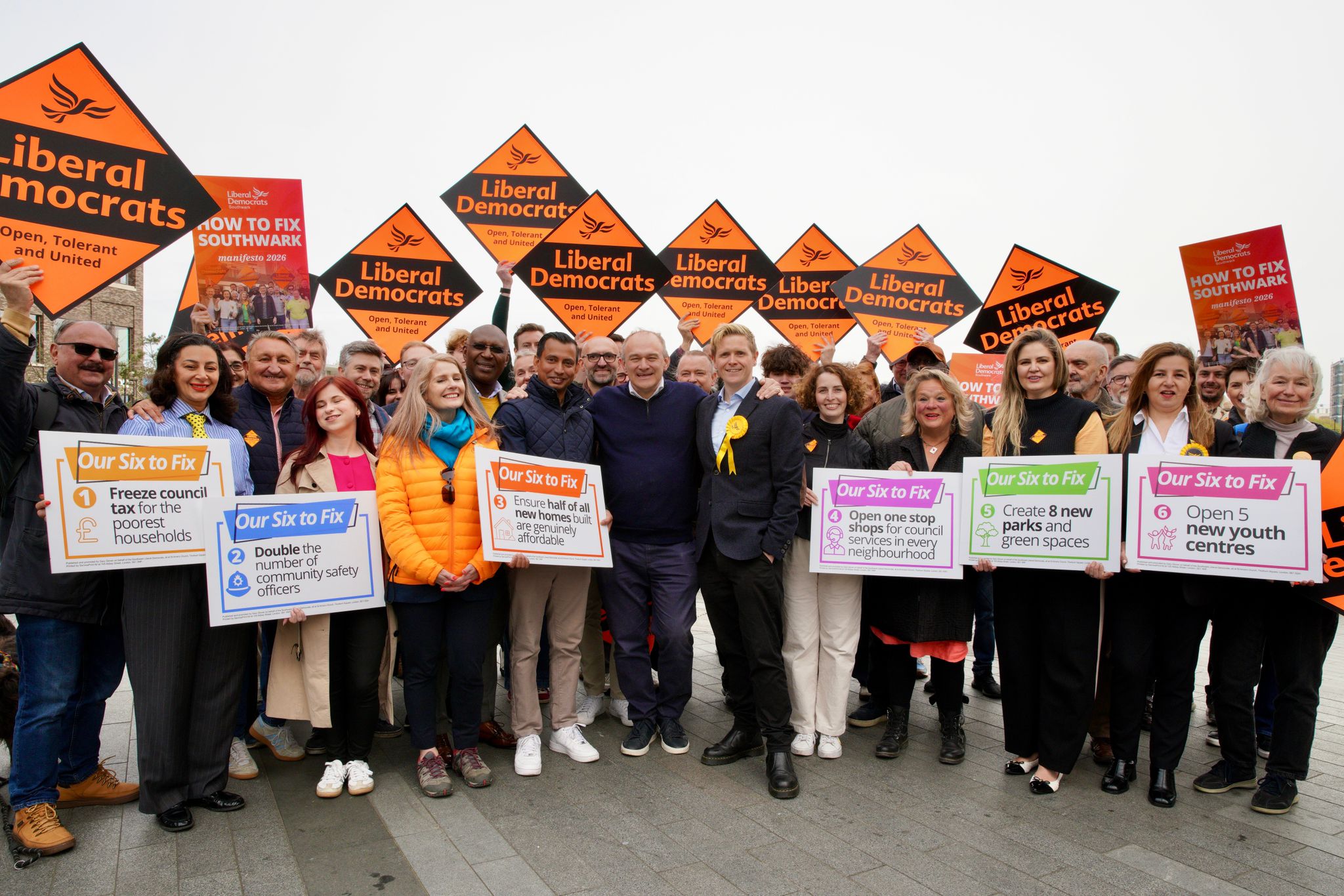
Since the last GLA election, we’ve doubled our MPs and added dozens of councillors, many fighting on shared priorities for Londoners. Whether it’s Lambeth Lib Dems’ win for tenants on housing disrepairs, Luke Taylor MP championing the Bakerloo extension or Cllr Anton Georgiou calling out Labour’s deal with the Tories. We have the stories and actions, but we must do more to collaborate to turn these into a cohesive regional message.
That’s where the Region must be more proactive, taking ownership of our messaging ahead of the London Elections and getting better at amplifying local successes. Reposting local content isn’t enough. We need to work with local parties to turn their successes into a shared regional narrative, and improve how our councils, GLA team and MPs collaborate.
Digital Campaigning Strategy
On-the-ground campaigning alone is no longer enough to win across London – the air war matters more with each election. The Green Party and Reform UK have shown how social media can be used effectively, with Labour and the Conservatives already catching up. We cannot be left behind.
A London brand with coordinated messaging must include a much-expanded digital presence, particularly on short-form video. Social media is replacing email for many voters, and for London’s younger, transient population it’s often the only channel that reaches them at all.
The Region must equip key members and volunteers across London with the skills and support to produce this content – building on Charlie Clinton’s work on digital campaigning, turning great local content like Southwark and Camden’s into regional narratives, and championing the organic reach already coming from members like Elin Kingston and Sarah Anderson.





 Follow @libdemvoice.org on Bluesky
 Like us on Facebook
 Subscribe to our feed
 Sign-up for our daily email digest

 Write a guest post for Liberal England
 Green leader doubles down on Zionism is racism policy
 Do shouty politicians gain long term votes?
 Chloe
Chloe  Jack Meredith
  Jason Connor